
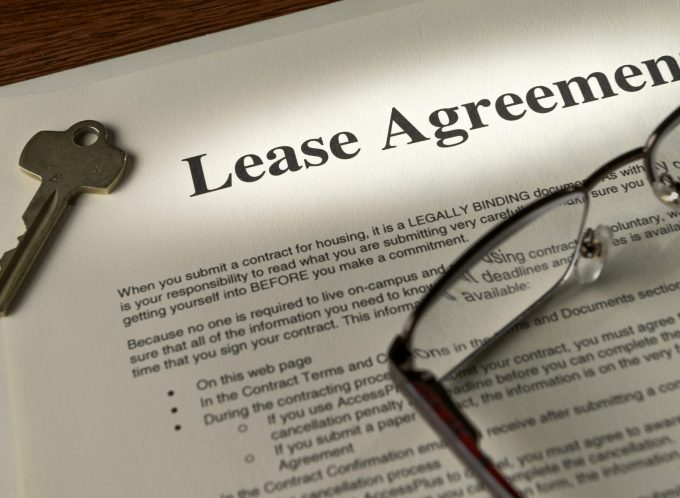
Commercial Leases:
Always get them in writing!
I recently spoke to a client who is the owner of a commercial warehouse that he had leased out to a tenant some time ago.
The tenant was in substantial arrears of rent and outgoings (electricity, water, council rates, insurance, etc). Our client wanted to put in place a written commercial lease agreement… unfortunately, at the time of leasing the premises to the tenant, our client failed to put in place a formal written lease agreement.
Not surprisingly, before a written commercial lease agreement was entered into the tenant vacated the premises.
Upon departure, the tenant removed some of my client’s equipment which had not been paid for. So in addition to the arrears of rent and outgoings, my client is also out of pocket for the replacement value of the equipment.
The tenant, whilst not disclosing its new whereabouts, is disputing the outstanding rental, alleging that the weekly amount was never agreed upon.
The motto of the story?
Get the commercial lease prepared in writing by an experienced business lawyer BEFORE the arrangement comes into effect. This applies to all commercial transactions, not just leases.
How could a written commercial lease agreement have benefited my client? To name a few benefits:
- rental and other charges would have been agreed upon without ambiguity;
- guarantees could have been procured giving my client more than one option in the event that debt recovery litigation needs to be commenced;
- an equipment list could have been attached to itemise what equipment was being leased in addition to the premises itself;
- addresses of the tenants and/or its directors would have been provided in the document, again assisting in any recovery action;
- security deposit would have been included which could assist in repayment of arrears and outgoings;
- all rights and responsibilities of both parties would be set out clearly (including those rights of my client in the event of rental arrears).
This exercise has cost our client more than $12,000, which could have been prevented with an initial outlay of around 10% of that, to have a written Commercial Lease Agreement put in place.
If you are considering entering into a lease or any form of commercial arrangement, please feel free to call me to discuss the arrangement and the benefits of having it reduced to writing at the right end of the transaction.
See Also







Categories
- A-Z of Family Law
- Building & construction
- Business contracts
- Business law
- Claims
- Commercial litigation
- Contested wills & estates
- Conveyancing & property
- Criminal law
- Debt recovery
- Defamation
- Elder law
- Employment
- Estate planning
- Family Law
- Firm news
- Franchising
- Motor vehicle accidents
- Personal law
- Uncategorized
- Videos
- Wills & estates
- Workers compensation









 Liability limited by a scheme approved under Professional Standards Legislation